FAQ

Last updated: 07/04/2009

Frequently Asked Questions

What do you mean by Healthy Waters?

Healthy Waters are waters that are ‘fit’ for their purpose. Healthy can mean water that will sustain an ecology and support native fauna and flora. After 170 years of white settlement, none of the water resources in the region are pristine, however some water resources are in very good condition and we would want to keep them this way. Other water bodies have already been modified to such an extent that it would be unrealistic to think we can return them to a better condition without significant upheaval and wide scale modification to our towns, industries and infrastructure.

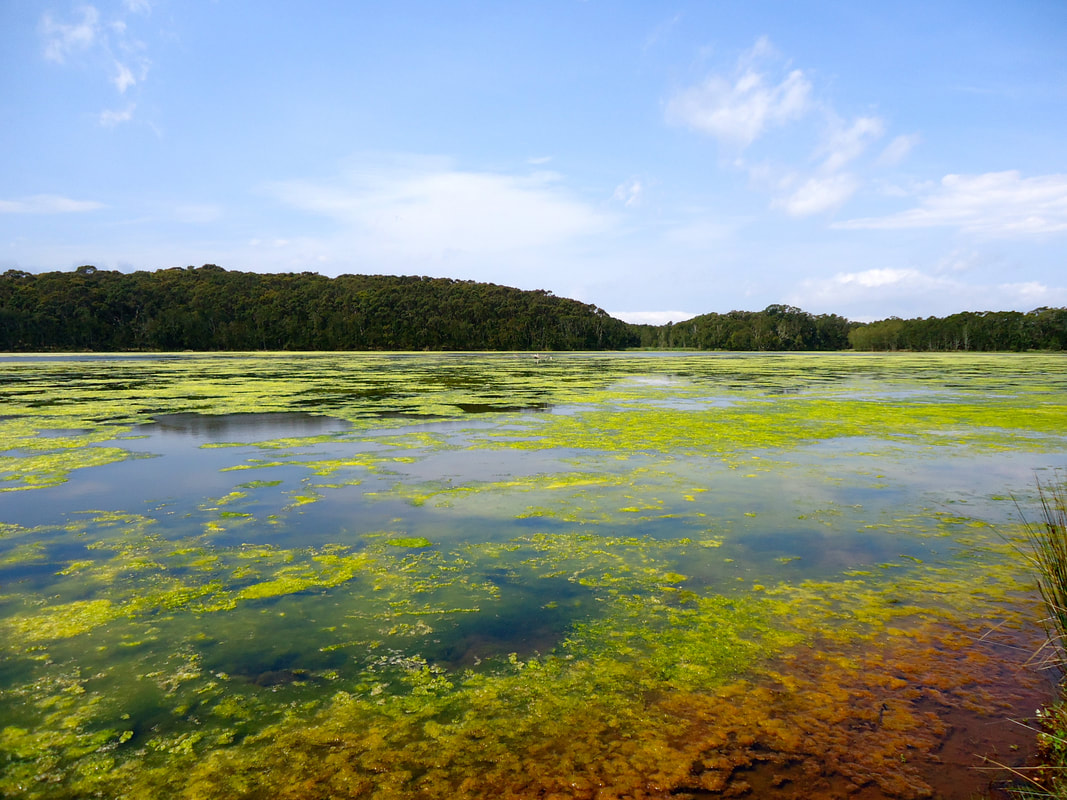
Healthy Waters can also mean waters that are fit for social and economic purposes. This could mean water that is safe to swim in, looks clean and is free from bad odours. For a landholder it may mean water free of algal blooms and pathogens so it is safe for stock to drink or not too salty for irrigating crops. For the general population ‘healthy’ may mean water that is suitable to drink and does not incur overly expensive water treatment costs.

So ‘healthy waters’ is what we define it to be, according to the use, or ‘Environmental Value’ we put on different water resources.

What is the Healthy Waters project about?

Healthy Waters is a new project focussing on the vital issue of water quality, and the need to protect it for the well-being of our health, environment, economy and way of life. The project involves local communities, industry and government working together to identify their desires or environmental values for water resources in the Adelaide and Mount Lofty Ranges region. In other words, Healthy Waters is asking people to consider why water is important to them, what they currently enjoy or value about their local water resources, the ideal condition they would prefer these resources to be in for future generations, and why.

The six-month project will build on feedback from the community over the past 15 years and consolidate existing scientific knowledge about the current condition of water resources in the region, including surface water such as rivers, creeks and wetlands; groundwater in underground aquifers; and coastal waters from Sellicks Beach to Port Elliot.

It will explore the potential impact of emerging issues such as water conservation, urban development and the opportunities being opened up by new technology to create alternative sources of water such as the reuse of stormwater and treated effluent. Healthy Waters will also establish the Water Quality Objectives, or targets, needed to make sure the water is fit for an agreed purpose, whether that is for drinking, industry, agriculture, recreation, fishing, to support aquatic ecosystems, aesthetic values or cultural heritage.

This process will involve discussing the improvements that need to be made; considering the trade-offs that may be necessary to strike a balance between the environmental, social and economic needs of the region and its communities; and reaching agreement on what realistically can be achieved.

Who is involved in the Healthy Waters project?

The project is being funded by the Australian Government’s Caring for our Country initiative and the Complementary State NRM Program, with additional funding from the Adelaide and Mount Lofty Ranges Natural Resources Management Board, SA Water and the State’s Environment Protection Authority (EPA). It is being managed by the EPA in partnership with the NRM Board, SA Water and the Department of Water Land and Biodiversity Conservation (including the Office for Water Security).

How is it different to other projects?

There have been many successful government projects and community initiatives over the years to protect our rivers and creeks, ground and marine waters. However, new pressures and opportunities have arisen in recent years, and it’s important we take a fresh look at the issues to provide a sound basis for future planning and management.

The project will build on feedback from earlier projects and consolidate existing scientific knowledge in the light of emerging issues such as urban development, water conservation and the opportunities being opened up by new technology to create alternative sources of water such as the reuse of stormwater and treated effluent. It will establish Water Quality Objectives, or targets, needed to make sure the water is fit for an agreed purpose, whether that is for drinking, agriculture, recreation, fishing, to support aquatic ecosystems, aesthetic values or cultural heritage.

The project is based on a proven process developed as part of the National Water Quality Management Strategy (NQWMS) which has already been applied in communities across Australia.

Importantly, results from the project will help inform government policy and future priorities for water quality planning and management, including investment in infrastructure and on-ground works. They will also be fed into water security planning for the region.

How can I become involved?

There are a number of ways you can become involved depending on how much time you have, and what suits you best. You can join the online Heathy Waters Community Panel, participate in project surveys, attend an open house, fill in a feedback form, or write to us. Register for the Community Panel. Click here for other ways to have your say.

What about past studies and projects?

Healthy Waters is not starting with an ‘empty slate’. The community has provided input on many issues relating to water quality in the past. Environmental Values and Water Quality Objectives have already been identified for Adelaide’s metropolitan beaches and the Port River, so we do not need to revisit these areas.

Other work over the past 15 years has covered many surface water resources in the region. The project will consolidate previous input from the community, along with information from scientific studies, to build a picture of what we know about the current condition of key water resources and values previously identified for them.

But we need to revisit these desired uses in the light of emerging issues such as climate change and the increasing importance of water conservation and security. And we know more work needs to be done to establish Environmental Values for other water resources, particularly groundwater. We also know that new ways of sourcing water – such as water reuse and storm water harvesting – present significant new challenges for securing water of the right quality.

How will the government use the information?

Results from the project will help inform government policy and future priorities for water quality planning and management, including investment in infrastructure and on-ground works.

For example, the agreed Environmental Values will be incorporated into the EPA’s Environment Protection (Water Quality) Policy, which captures detailed requirements for protecting water resources in South Australia. They will also inform water security planning for the region, and guide management actions and priorities for water related projects and on-ground works carried out by the Adelaide and Mount Lofty Ranges Natural Resources Management Board.
Water Quality Objectives specific for each catchment and aquifer will also eventually be incorporated into the policy. Because these objectives will require considerable and additional detailed scientific work to finalise, they will initially be adopted by the EPA in draft form as ‘interim’ objectives.

What water resources is the project covering?

All water resources in the Adelaide and Mount Lofty Ranges region - the same boundary as the Adelaide and Mount Lofty Ranges Natural Resources Management Board. This region spans from just above Freeling in the north, and the Barossa Valley; the Mount Lofty Ranges Watershed as far east as Mount Pleasant, Woodside, Hahndorf, Echunga and Willunga; to the tip of the Fleurieu Peninsula. The project will cover marine waters from Sellicks Beach to Port Adelaide. Beaches north of Sellicks as these were covered by a separate project focussing on Adelaide’s metropolitan marine waters. The Port River has also been covered in a separate project.

What is an Environmental Value?

An Environmental Value is anything a community agrees a body of water should be protected for. Environmental values for water quality do not just cover uses that are about protecting aquatic ecosystems and the natural environment. They can include a whole range of values linked to protecting water for drinking, for industry and agriculture, recreation and even cultural importance.

The concept was developed as part of a national framework or approach which is used around Australia to develop plans to protect water quality (the National Water Quality Improvement Strategy)

Environmental values are formally established under Schedule 1 of the Environment Protection (Water Quality) Policy either generally or for particular bodies of water.  These values then determine the water quality criteria, or requirements that apply to those water bodies.

What is a Water Quality Objective?

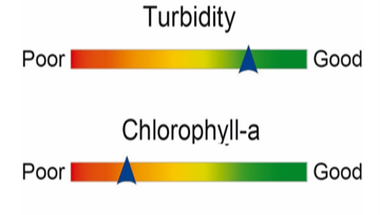
Water Quality Objectives are measurable targets to protect Environmental Values. These might be physical measures such as temperature and turbidity; or chemical measures such as the levels of phosphorus or nitrogen found in the water; biological measures which involve monitoring micro-organisms such as bacteria; or aesthetic measures, setting targets for things like odour and colour. They are set out in Schedule 2 of the EPA Water Quality Policy.

Related Links